




VICTORIA’S Chief Health Officer has encouraged people across the state to take early action for the health risks that may present this spring and summer.
Unpredictable and at times damaging weather is synonymous with this time of year, and can stoke up some common allergic reactions and illnesses.
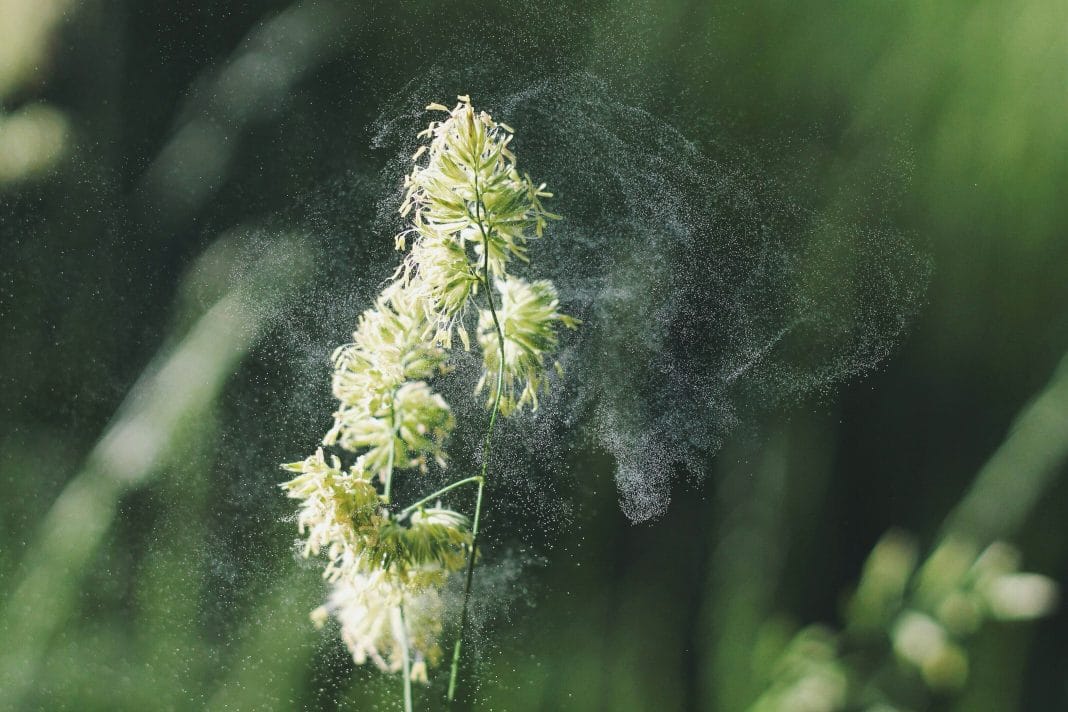
One of these severe health risks is thunderstorm asthma, which presents itself during specific thunderstorms which sweep up tiny particles that come from grass pollen grains.
These particles can embed themselves deep within the lungs and can rapidly trigger asthma symptoms according to the Better Health Channel.
This year also marks the 10th anniversary of the most severe thunderstorm asthma event in human history, which happened in Victoria.
On November 21, 2016, over 3500 people presented to emergency departments and 10 people lost their lives as a result of thunderstorm asthma.
Chief Health Officer Dr Caroline McElnay said preparing before conditions change can help people protect themselves and those around them.
“Spring and summer are a great time to enjoy Victoria, but changing weather can also bring health risks,” she said.
“Knowing what is happening in your local area, or where you might be travelling to across the state, and having a plan before you need it can make a real difference.”
“Whether it is extreme heat, thunderstorm asthma, or mosquitoes, simple steps taken early can help keep you and your family safe,” Dr McElnay said.
The Melbourne Pollen website remains a strong tool to keep up to date with and forecast the pollen count.
AirHealth, which operates the Melbourne Pollen service, predicted a more active grass pollen season this year.
Company CEO Dr Edwin Lampugnani said that the wettest Victorian winter since 2016 has given grasses a strong head start, especially in the areas north of Melbourne.
“The latest maps show much wetter soils and more green growth than we saw at the same time last year. That strengthens the likelihood of a more active grass pollen season across Melbourne, western and central Victoria,” he said back in September.
The Victorian Department of Health says that Victorians can best prepare by keeping up to date with local weather, warnings and health advice.
Understanding how seasonal conditions affect you, and knowing what actions need to be taken if conditions change, are also encouraged.

