

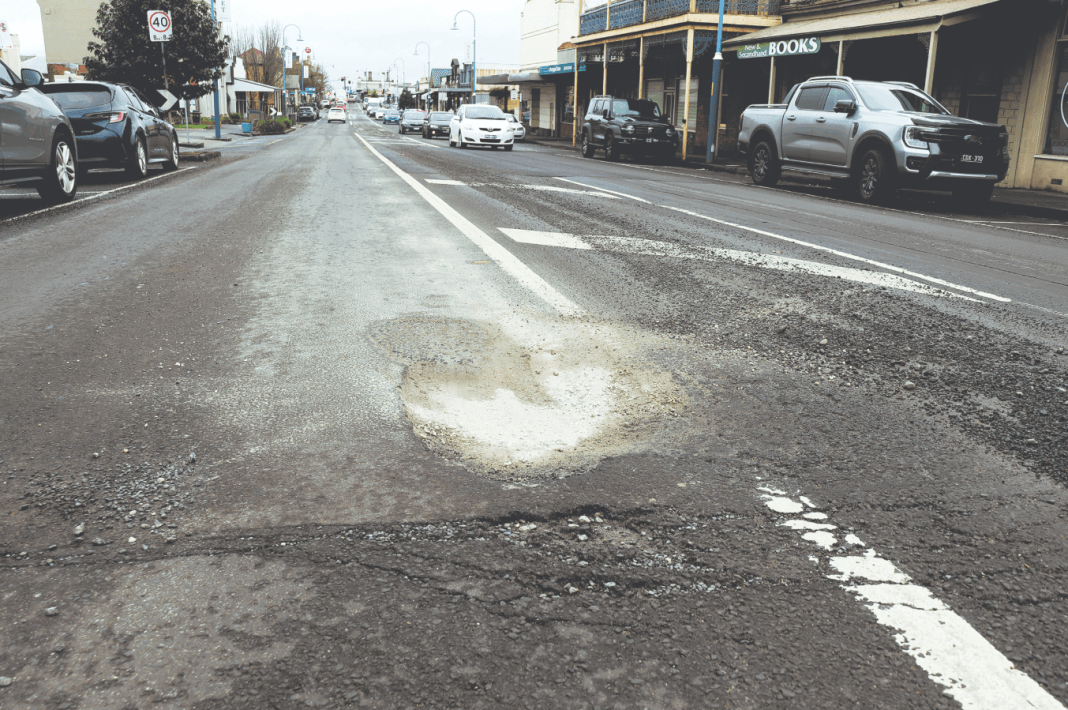



GROWTH should come with services. Apparently this is a radical idea, somewhere between roads without potholes and a bypass that actually gets built.
Mitchell Shire is growing fast, especially around Wallan and Beveridge. New roofs are visible, subdivisions multiply, and population forecasts look terrific on a presentation slide. The less photogenic question is whether school places, health care, roads, parks and community rooms are arriving at the same speed.
A house is not a complete community. Families need a GP they can get into, a school that can take their children, and somewhere for those children to play that isn’t a nature strip or the back seat of the car. Approving homes first and hoping services catch up later is a strategy, certainly. So is leaving the shopping until after guests arrive.
Responsibility is shared, but not interchangeable. State government controls major roads, schools and much of health planning; council plans local growth, maintains local roads and provides recreation and community facilities. Developers contribute through infrastructure charges and agreements. Residents pay rates and taxes. Each level can point to another with admirable confidence. The pothole remains unimpressed.
Recent road complaints around Wallan and Beveridge are not a request for a red carpet. Drivers reasonably expect roads to be safe, inspected, repaired within published timeframes and clearly assigned to the authority responsible. When a tyre is damaged, “wrong department” is not a satisfying road-safety policy. Reporting should be simple and state agencies should maintain their own network and explain delays. Residents should report hazards; they should not have to guess which government owns the crater.
The Review has reported on damaged tyres and recurring potholes in Wallan, while council’s budget puts $16.9 million toward roads and bridges. That is substantial money, and still not a magic wand. The useful questions are where it will be spent, which routes are highest risk, how quickly defects are fixed and what work is maintenance rather than a photo opportunity. A budget line is capacity, not proof of a smooth ride.
The 2026–27 budget caps the rate rise at 2.75 per cent, while waste income is projected to rise 11 per cent and waste service charges 17 per cent. Council must fund basics within rate limits and rising costs, and it remains heavily reliant on government funding while growth catches up with demand. Residents can judge value by comparing allocations with visible results, asking for milestones and checking whether spending matches priorities across the shire. “It’s in the budget” is not the same as “it’s on the ground.”
Those priorities are not mysterious. In submissions on the 10-year capital works program, recreation, leisure and community facilities led, with 35 proposals; footpaths and trails drew 18 and road upgrades 17. Kilmore and Seymour accounted for half the proposals, with Wallan also represented. How do we rank need, urgency and population growth without treating the loudest room or fastest-growing postcode as the whole shire?

