

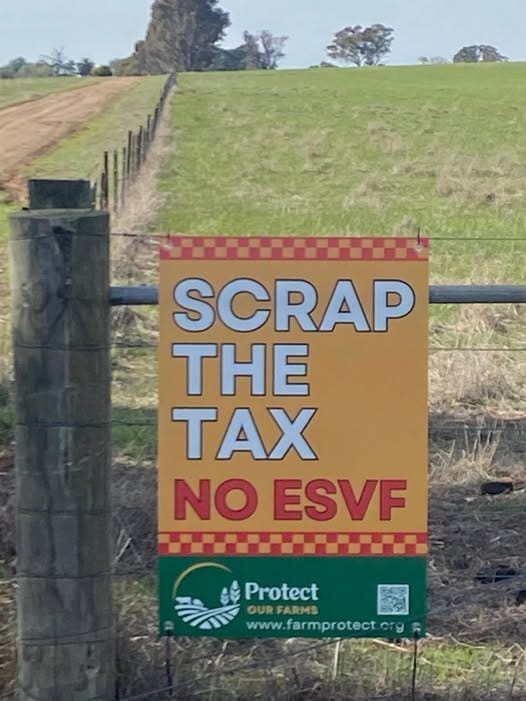



A STRONG turnout of farmers, rural residents, and local businesses filled the Pyalong Recreation Reserve Hall when Protect Our Farms Incorporated hosted a community meeting to discuss its Draft Emergency Management Discussion Paper.
The meeting drew participants from across the district who shared their concerns about the pressures facing farming families as a result of the Victorian Government’s Emergency Services Volunteer Fund (ESVF).
Protect Our Farms president and former Mitchell Shire Councillor, Bill Chisholm, described the meeting as a resounding success, saying it demonstrated the power of rural communities when they come together with one voice.
“Protect Our Farms has always believed that the best ideas come from the ground up. At that meeting we saw that in action with farmers, small businesses, and local residents all contributing ideas and solutions. That’s how we’ll build a practical, community-driven plan that really works.” he said.
The Practical Emergency Management discussion paper formed the centrepiece of the evening, outlined the risks that rural communities face and proposed strategies to strengthen resilience. Attendees were invited to provide feedback, share their experiences, and highlight gaps or opportunities to be addressed in the final plan.
Mr Chisholm said that the Paper offers a practical and flexible alternative to the ESVF. He said that unlike the ESVF, which he described as an unfair tax on landholders, the Practical Emergency Management discussion paper focuses on the real, on-the-ground challenges faced by rural communities, including drought, land access issues, and rising costs.
“It emphasises solutions that are adaptable to local needs, reduces bureaucratic barriers, and provides timely support to both volunteers and residents during emergencies,” he said.
“By focussing on community input and practical outcomes, the paper presents a more workable, effective framework for sustaining emergency services and protecting the livelihoods of those who rely on them.”
“The drought is already stretching families to breaking point, and on top of that we’re seeing rate increases, land tax hikes, and the new Emergency Services Levy. We need policies that support farming communities, not punish them,” one local farmer told the meeting.
The meeting also reinforced Protect Our Farms’ broader platform, which focuses on four key priorities: Rural and pro-farmer policies, practical emergency management, environment and food security and stopping unfair cost shifting and government red tape.
Mr Chisholm said feedback from the Pyalong meeting will directly shape the group’s action plans in these areas.
The group also confirmed it will continue to campaign against the Emergency Services Tax, which it argues unfairly targets farmers and rural households.
“It’s a classic case of cost shifting, and our members have made it very clear that they want it fought,” Mr Chisholm said.
Protect Our Farms is now encouraging anyone who couldn’t attend to read the draft paper and submit feedback. The group plans to hold further community sessions to ensure as many voices as possible are heard.
For further information go to farmprotect.org.

