




THE Victorian Auditor-General’s Office (VAGO) released a report last week about fire authorities and the funding shortfalls they are facing.
According to the VAGO report, fire authorities need an estimated $1.5 billion between 2024–25 and 2033–34 to address critical fire truck replacement and upgrade needs, but currently receive only around one-quarter of the funding required.
The report looked closely at three fire authorities: the Country Fire Authority (CFA), Fire Rescue Victoria (FRV) and the Department of Energy, Environment and Climate Action (DEECA).
It found that over 50 per cent of both CFA and FRV vehicles were at least 15 years old.
Another key finding was that fire authorities need $1.5 billion to replace and upgrade their fire trucks.
FRV and CFA have told the government how much funding they need, but DEECA has not.
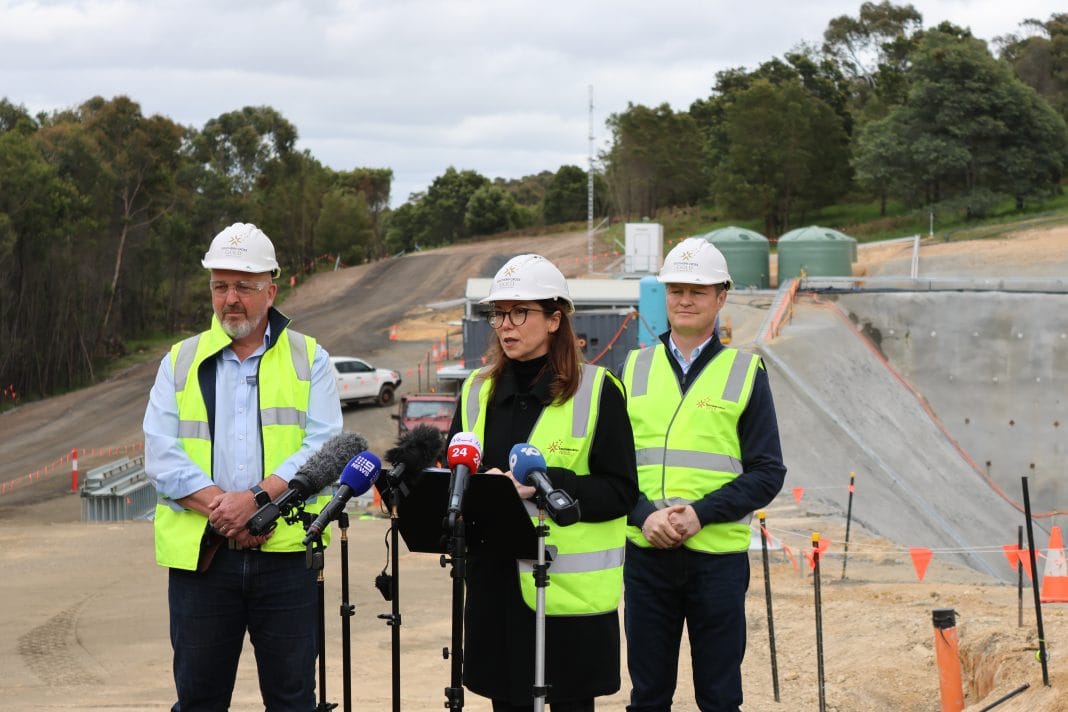
Member for Northern Victoria Jaclyn Symes was at Southern Cross Gold making a separate announcement when she was asked about the topic.
“In relation to the finding that has been provided to our firefighting services and our emergency services funding, in some years, we have funded more than what they have asked for
“In other years, we’ve been asking as we have in all agencies, make sure you are bidding for exactly what you need in relation to the new trucks and equipment that is being delivered for our fire agencies,”
The Premier backed Ms Symes’ comments, saying Victoria will have the strongest aerial fleet in the state’s history.
“We will do everything we can and we have put record investment into our fire services,” Mr Carroll said.
“We’re going to have the biggest aerial fleet we have ever seen. We are strongly and well prepared for the oncoming bushfire season and we will continue to support our firefighters on the ground.”
El Niño is reported to be currently active and intensifying in the tropical Pacific Ocean, with a near 100 per cent chance of persisting through to February 2027 and peaking in November or December 2026.
El Niño events bring hot, dry summers, which can contribute to severe fire seasons. This could make funding for fire authorities a major issue at the November state election.


